
How to Protect Your Motorcycle’s Resale Value?
SOURCE: KOVE
A motorcycle’s resale value depends on more than its age and mileage. Its overall condition, maintenance history, repair records, modifications, and demand in the local market can all influence what a future buyer is willing to pay.
While no owner can control every factor affecting a motorcycle’s market value, there are practical steps you can take throughout ownership to keep the bike in good condition and make its history easier to verify. From following the correct maintenance schedule to keeping original parts and preparing the necessary documents, small decisions made today can make the selling process easier later.
Here are six practical ways to help protect your motorcycle’s resale value.
1. Keep Up With Your Motorcycle’s Maintenance
Regular maintenance is one of the most important parts of responsible motorcycle ownership. Following the manufacturer’s maintenance recommendations helps you monitor the bike’s condition, identify potential problems, and address wear before it develops into a more serious issue.
Start by consulting the owner’s manual and the official maintenance schedule for your exact motorcycle model and regional version. Different models may have different service requirements, so avoid assuming that the maintenance intervals for one motorcycle also apply to another.
During routine servicing, make sure the required inspections and maintenance tasks are completed according to the applicable documentation. If you notice unusual noises, fluid leaks, changes in braking performance, or other signs of a problem, arrange an appropriate inspection rather than leaving the issue unresolved.
For motorcycles used frequently on dusty roads, in wet weather, or on demanding off-road routes, pay attention to the maintenance recommendations relevant to those riding conditions. Follow the manufacturer’s guidance on any additional checks that may be required.
For KOVE owners, the official KOVE Service Schedule is a useful starting point. Always confirm that the document applies to your specific model and market, and refer to the relevant owner’s manual for detailed instructions.
Consistent maintenance cannot guarantee a higher resale price, but it can help preserve the motorcycle’s condition and provide evidence that it has received appropriate care.
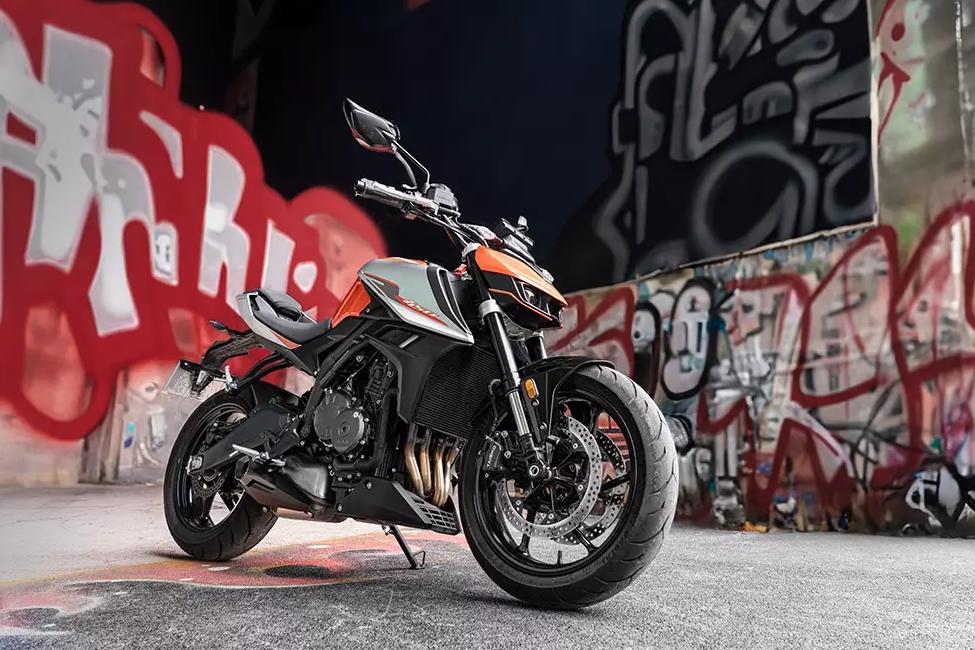
2. Protect Your Motorcycle From Avoidable Wear and Damage
Normal use inevitably causes some wear, but how you ride, store, and handle your motorcycle can influence its condition over time.
Start with the basics. Keep the motorcycle clean using methods and products suitable for its materials, and follow the manufacturer’s guidance for cleaning and protecting different components. After riding in muddy, wet, or dusty conditions, pay attention to areas where dirt and moisture may accumulate.
Storage also matters. When possible, park the motorcycle in a dry, secure location away from prolonged exposure to harsh weather. If you expect to leave it unused for an extended period, follow the manufacturer’s recommendations for storage and preparation.
Your riding habits can also affect the rate of wear. Avoid unnecessary impacts, careless handling, and riding beyond the motorcycle’s intended use. If you regularly ride off-road, inspect the bike after demanding rides and address any damage or unusual changes before your next trip.
Pay particular attention to visible damage and wear that a future buyer is likely to notice, including:
- Scratches, dents, and damaged body panels.
- Signs of falls, impacts, or repairs to affected components.
- Worn tires, brake components, or other parts that require attention.
- Fluid leaks, corrosion, or signs of neglected maintenance.
Not every cosmetic mark needs to be repaired immediately. The priority is to maintain the motorcycle safely, prevent avoidable deterioration, and deal with significant problems promptly.
A well-cared-for motorcycle is generally easier for a potential buyer to assess than one showing signs of neglected maintenance or unexplained damage.
3. Keep Service, Repair, and Warranty Records
A motorcycle’s physical condition is only part of its ownership history. Documentation helps a future buyer understand what maintenance has been completed, which parts have been replaced, and whether significant repairs have been carried out.
Keep service invoices, repair receipts, inspection records, and documentation for major replacement parts. Where possible, make sure each record identifies the date, mileage, work performed, and relevant parts or materials.
If you perform maintenance yourself, keep a simple log of the work completed and the parts used. Retain receipts and other supporting documents where available. This will not necessarily carry the same evidential weight as a professional service invoice, but it can still help explain the motorcycle’s maintenance history.
Warranty documents are also worth keeping. Review the warranty conditions that apply to your model and market, and retain records of relevant warranty claims and repairs. Do not assume that warranty coverage automatically transfers to a subsequent owner; check the applicable policy for the specific terms.
KOVE owners can consult the official warranty documentation relevant to their motorcycle:
- KOVE 450 RALLY and 800X RALLY Warranty Policy
- KOVE Warranty Policy for Models Excluding RALLY and MX Serial Models
Check that the selected policy covers your exact model and market, as warranty terms may differ.
Organize these documents throughout ownership rather than trying to reconstruct the history when you decide to sell. A clear, consistent record makes it easier to answer questions about the motorcycle and gives potential buyers a more complete picture of its condition.
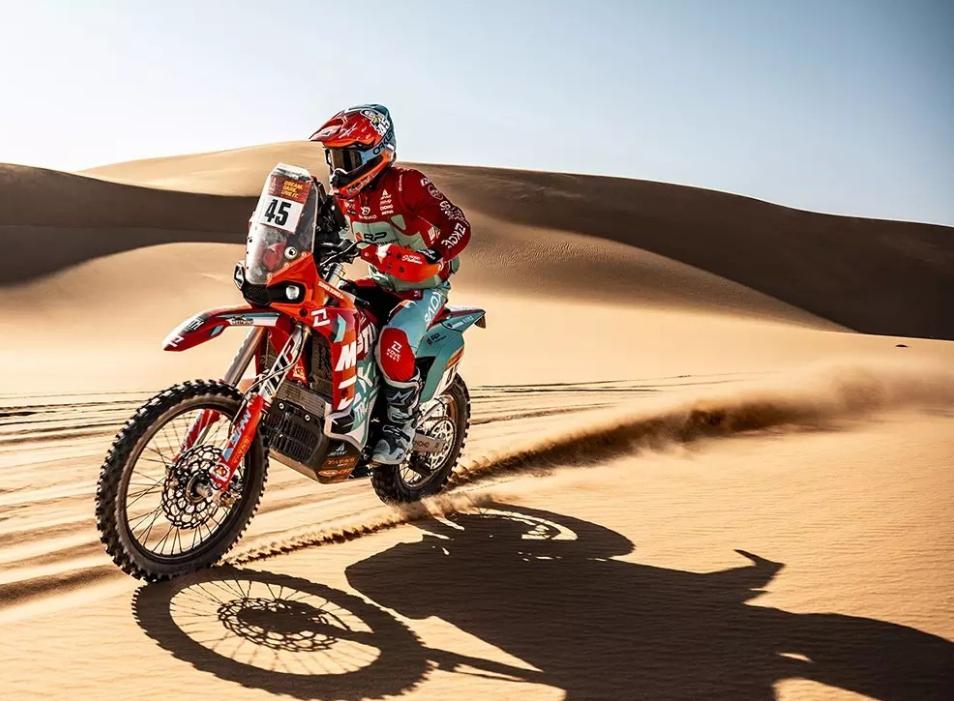
4. Be Careful With Modifications and Replacement Parts
Accessories and modifications can make a motorcycle better suited to your riding needs. However, they do not automatically increase its resale value.
A future buyer may appreciate practical accessories, while another may prefer the motorcycle in its original configuration. Extensive modifications, poorly documented installation work, or changes that raise questions about safety and reliability may narrow the pool of interested buyers.
Before making a modification, consider whether it is necessary, whether it is compatible with the motorcycle, and how easily the bike could be returned to its original configuration.
A few practical habits can help:
- Keep original parts when replacing factory components, where practical.
- Save receipts and installation records for accessories and upgrades.
- Use suitable replacement parts and qualified installation services when needed.
- Keep documentation for changes involving the engine, exhaust, suspension, brakes, or electrical system.
- Check applicable road-use, emissions, and inspection requirements before making modifications.
When replacing worn components, prioritize suitable parts and correct installation rather than choosing solely by price. Keep the related records so you can explain what was changed and why.
There is no universal rule that an unmodified motorcycle will always sell for more than a modified one. The outcome depends on the model, the quality and legality of the modifications, the motorcycle’s condition, and buyer preferences in the local market.
The practical goal is to avoid changes that unnecessarily complicate the bike’s history or make it harder for a future owner to assess.
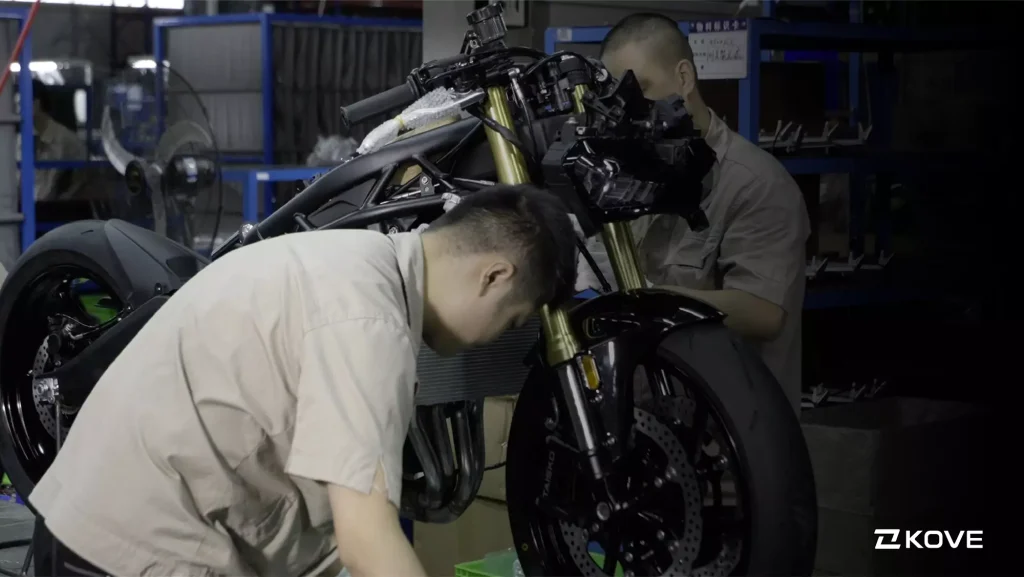
5. Understand How Mileage and Use Affect Condition
Mileage is an important part of a motorcycle’s history, but it should not be considered in isolation.
A motorcycle with higher mileage and consistent maintenance records may be easier to evaluate than one with lower mileage but an unclear service history, visible damage, or signs of neglect. Similarly, two motorcycles with similar mileage can have very different conditions depending on how they have been used and maintained.
You do not need to limit normal riding simply to keep the odometer reading low. Instead, focus on using the motorcycle appropriately, maintaining it according to the manufacturer’s recommendations, and keeping track of significant wear or repairs.
If your motorcycle is regularly used for touring, commuting, or off-road riding, document major maintenance and repairs associated with that use. Be prepared to explain the riding conditions honestly when selling.
Avoid attempting to improve the motorcycle’s apparent value by concealing mileage, damage, or previous repairs. Accurate information helps buyers make informed decisions and reduces the risk of disputes during the sale.
Ultimately, the aim is not to keep mileage as low as possible at any cost. It is to maintain a motorcycle whose actual condition is consistent with its documented history.
6. Prepare Your Motorcycle Before Selling or Trading It In
When you decide to sell or trade in your motorcycle, preparation can help you present it clearly and make the evaluation process more straightforward.
Start by reviewing the motorcycle’s overall condition. Clean it, check for obvious issues, and identify any maintenance or repairs that may need attention. Address safety-related problems appropriately rather than relying on appearance alone.
Next, gather the documents a prospective buyer may want to review. Depending on your market and the motorcycle, these may include:
- Service and repair records.
- Receipts for replacement parts and accessories.
- Warranty documents, where applicable.
- Ownership and registration documents required for the transaction.
- Original parts and keys, where available.
Be transparent about significant repairs, previous damage, and modifications. If work has been completed, retain the relevant records so you can explain what was done.
You should also research the local used-motorcycle market before setting an asking price. Compare listings for the same model or closely comparable versions, taking account of model year, mileage, condition, equipment, and location.
Remember that advertised prices are asking prices, not confirmed transaction prices. Actual offers may differ according to local demand, the motorcycle’s condition, and the negotiation process.
It is not always worthwhile to complete every possible cosmetic repair before selling. Consider the likely cost, the importance of the issue, and whether the work will materially improve the motorcycle’s presentation or address a concern that could affect a buyer’s decision. For mechanical or safety-related problems, obtain appropriate professional advice.
A clean motorcycle, organized records, and an honest description will not guarantee a particular sale price, but they can help potential buyers evaluate the bike with greater confidence.
Common Mistakes That Can Hurt Motorcycle Resale Value
| Common mistake | Why it can be a problem | What to do instead |
| Skipping scheduled maintenance | Can lead to avoidable wear and leave gaps in the service history | Follow the maintenance schedule for the exact model and keep records |
| Ignoring unusual noises or leaks | Small problems may develop into more serious issues | Arrange an appropriate inspection when symptoms appear |
| Losing service and repair records | Makes it harder to verify the motorcycle’s maintenance history | Keep invoices, receipts, and a consistent service log |
| Making poorly documented modifications | Can create uncertainty about compatibility, installation, or condition | Retain original parts and document significant changes |
| Focusing only on low mileage | Mileage alone does not show the full condition of a motorcycle | Maintain the bike properly and record important repairs |
| Waiting until the sale to address everything | Leaves less time to identify problems and organize documentation | Review condition and records periodically throughout ownership |
| Setting the price based on asking prices alone | Advertised prices may not reflect actual sale prices | Compare similar motorcycles and account for condition and local demand |
The common theme is that resale value is easier to protect when maintenance, repairs, and ownership records are managed consistently rather than left until the day you decide to sell.
Frequently Asked Questions
Conclusion
Protecting your motorcycle’s resale value starts long before you decide to sell it. Following the correct maintenance schedule, addressing problems promptly, keeping service and repair records, and making thoughtful decisions about modifications can help preserve its condition and make its history easier to verify.
Mileage, market demand, and buyer preferences will still influence the final price, so no maintenance routine or ownership strategy can guarantee a particular return. The practical approach is to take care of what you can control throughout ownership.
By keeping your motorcycle in good condition and preparing clear documentation, you can make the eventual selling or trade-in process more straightforward and give potential buyers a better basis for evaluating the bike.
The way you ride is a more useful choice than one selected by specifications alone.