
Motorcycle Platform Design and Weight Management: How KOVE Engineers
SOURCE: KOVE
Why Motorcycle Platform Design Matters Before You Look At The Spec Sheet
A motorcycle can look capable on paper and still feel wrong when the road turns rough, luggage is added, or the pace increases. That is why we treat motorcycle platform design as more than a matter of specifications. The frame concept, geometry, suspension, and weight target all need to match the way a motorcycle is intended to be ridden.
At KOVE, we use different platform approaches for adventure, rally, sport, and off-road motorcycles because each type places different demands on the rider and the machine. In this article, we explain how we approach platform design and weight management, and why the right balance can look very different from one riding application to another.
How KOVE Builds Platform Logic Into Different Motorcycle Roles
Our engineering approach focuses on developing motorcycle platforms around their intended use rather than simply adapting one base platform for every category. We develop different solutions for adventure, rally, sport, naked, off-road, and cruiser applications because each type of riding places different demands on the chassis, engine, suspension, and overall weight target.
This approach also allows us to connect development, testing, manufacturing, and final assembly more closely. For performance-focused models, we can apply lessons from competition and testing to production development while adapting the engineering solution to the needs of everyday riders.
What platform design means in practice?
In practical terms, we see platform design as the engineering foundation behind a motorcycle. It brings together the engine layout, frame structure, wheelbase, suspension travel, weight target, and other major components that determine how the motorcycle behaves on the road or off it.
When we define a platform, we therefore start with the intended riding application rather than treating weight, geometry, or component selection as separate decisions.
When developing a platform, we pay particular attention to:
- how the engine and frame architecture can support the intended model family
- whether the geometry matches the motorcycle’s road, rally, track, or off-road purpose
- whether component selection supports the target mass and performance requirements rather than styling alone
- whether serviceability and durability are considered alongside performance
How the model range shows platform variation?
The differences across our current model range illustrate this approach clearly. The 625X is designed for middleweight adventure riding, the 800X Rally extends the concept toward larger-capacity rally-ADV use, the 450 Rally RE is built around road-legal rally riding, the 350RR focuses on lightweight sport performance, and the 450 Enduro RE is developed for technical off-road riding.
These motorcycles do not need to share the same platform characteristics because they are designed around different riding priorities. Comparing them through their intended use helps explain why their weight, geometry, suspension, and structural layouts are different.
Why this matters to your decision?
The right platform is the one whose engineering characteristics match the way you ride. If you regularly travel with luggage, stability, fuel capacity, and carrying capability become important. If you spend hours standing on the pegs in rough terrain, lower mass, slimmer packaging, and easy recovery can make a bigger difference. If fast road riding is your priority, compact packaging, responsive handling, and thermal control may matter more than adventure-oriented comfort.
That is why we do not treat one platform as the ideal solution for every type of rider.
Where Weight Management Matters Most On Adventure, Rally, And Sport Platforms
Weight management is not just about being lighter. It is about placing mass where it helps the rider and removing it where it creates fatigue. That distinction matters even more when you compare motorcycles built for very different jobs.
Adventure motorcycles: stability versus touring load
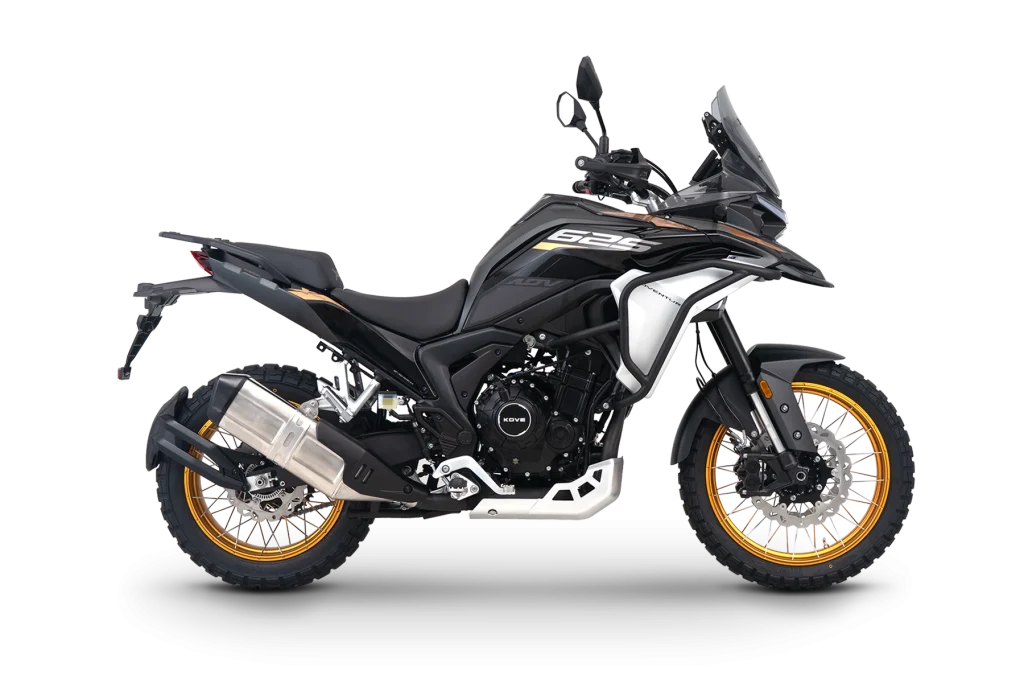
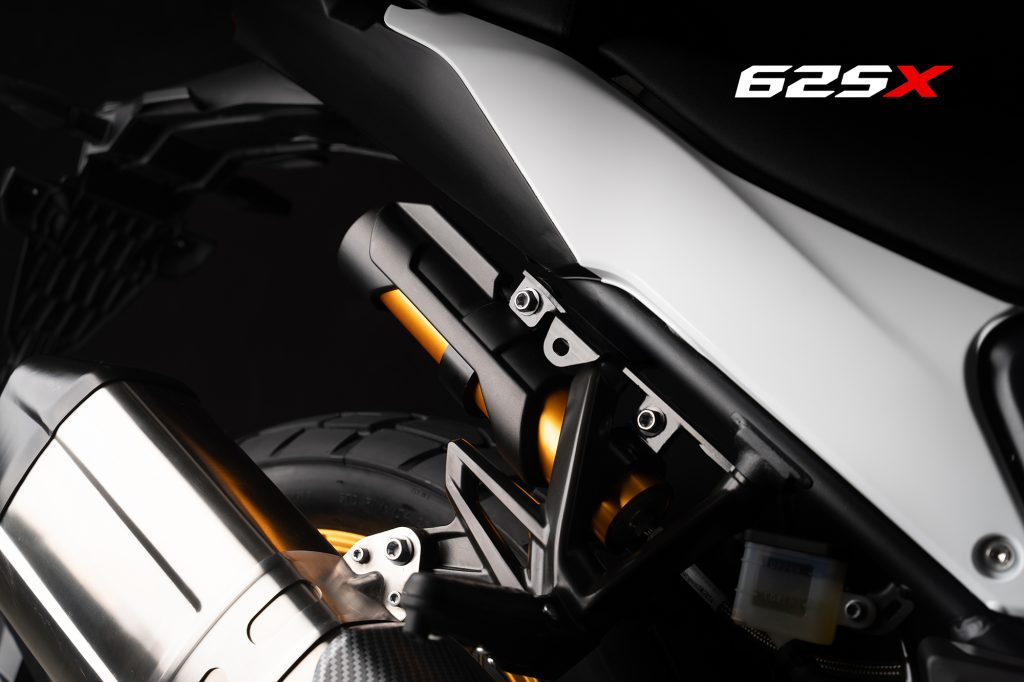
On an adventure platform, some extra mass can be worthwhile when it supports fuel range, wind protection, and luggage stability. The KOVE 625X uses a 581cc parallel-twin, an integrated frame, an aluminum rear swingarm, 205 mm of ground clearance, and a 21 L fuel tank. Its listed curb weight is 221 kg, which shows a deliberate middleweight adventure balance rather than an extreme lightweight brief.
This becomes important when your route mixes motorway distance, broken tarmac, and occasional dirt. The same page also lists adjustable seat heights, long-travel suspension, and more than 500 km of claimed range, reinforcing that the platform has been tuned for travel composure rather than minimum scale weight.
Rally motorcycles: low mass for technical control
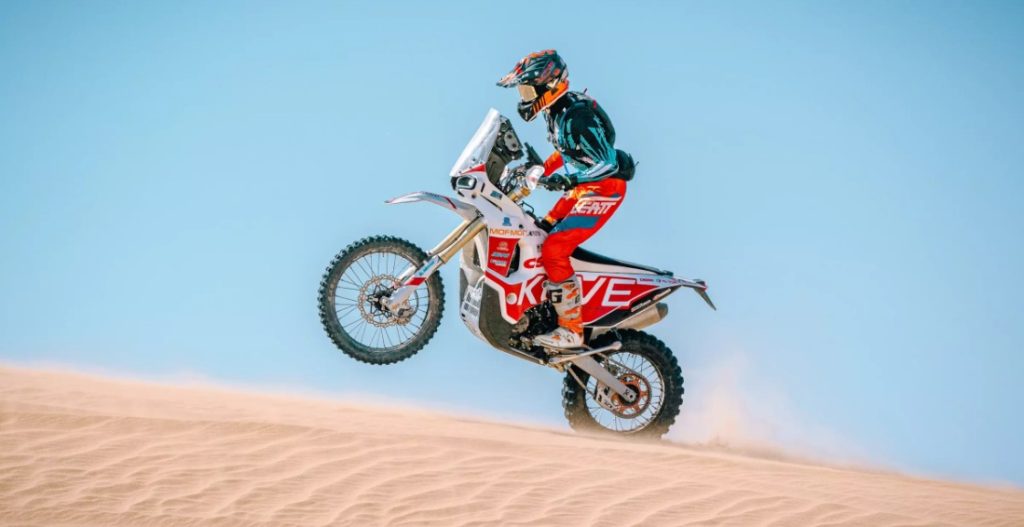
Rally motorcycles place greater emphasis on controlled weight because riders repeatedly correct their lines, spend long periods standing on the pegs, and may need to recover the motorcycle on uneven or difficult terrain. In these situations, controlling mass can reduce rider fatigue and make the motorcycle easier to manage.
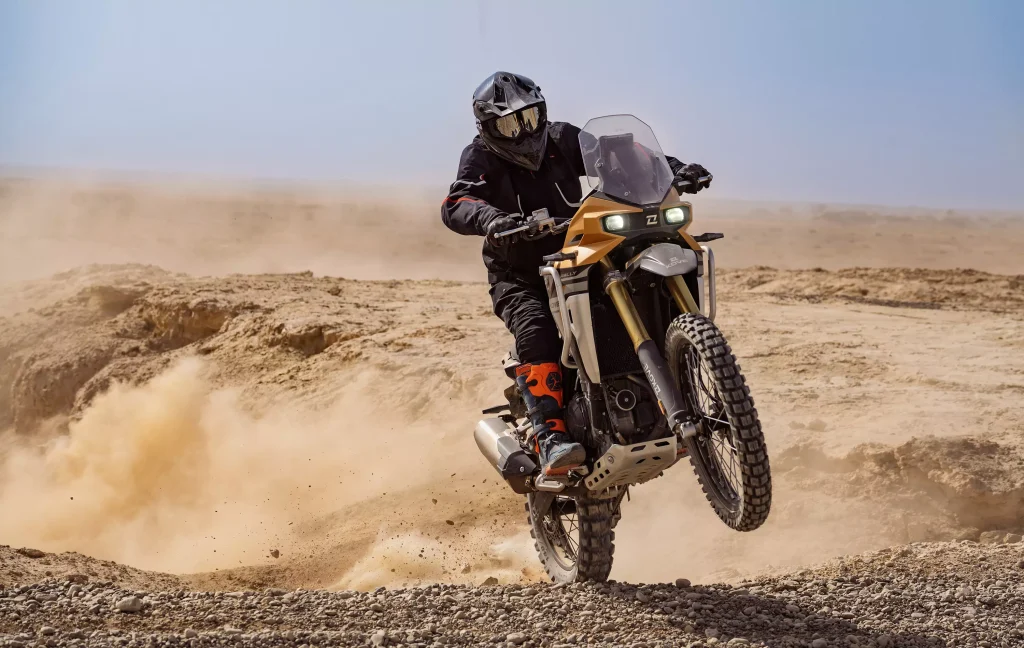
The KOVE 450 Rally RE is developed as a road-legal rally motorcycle, while the KOVE 800X Rally applies the same focus on off-road control to a larger-capacity platform. The 800X Rally page lists a 176 kg curb weight, a 20 L fuel tank, 293 mm of ground clearance, a 1545 mm wheelbase, and 270 mm front and 240 mm rear suspension travel. These specifications reflect our effort to combine larger-bike travel capability with the control needed for demanding off-road riding.
 KOVE 450 Rally
 KOVE 800X Rally
Sport motorcycles: compact packaging and heat control
For a sport motorcycle, packaging efficiency has a direct effect on handling, weight, cooling, and rider feedback. A light chassis, effective cooling system, and responsive engine can make a modest-displacement motorcycle feel highly capable at pace.
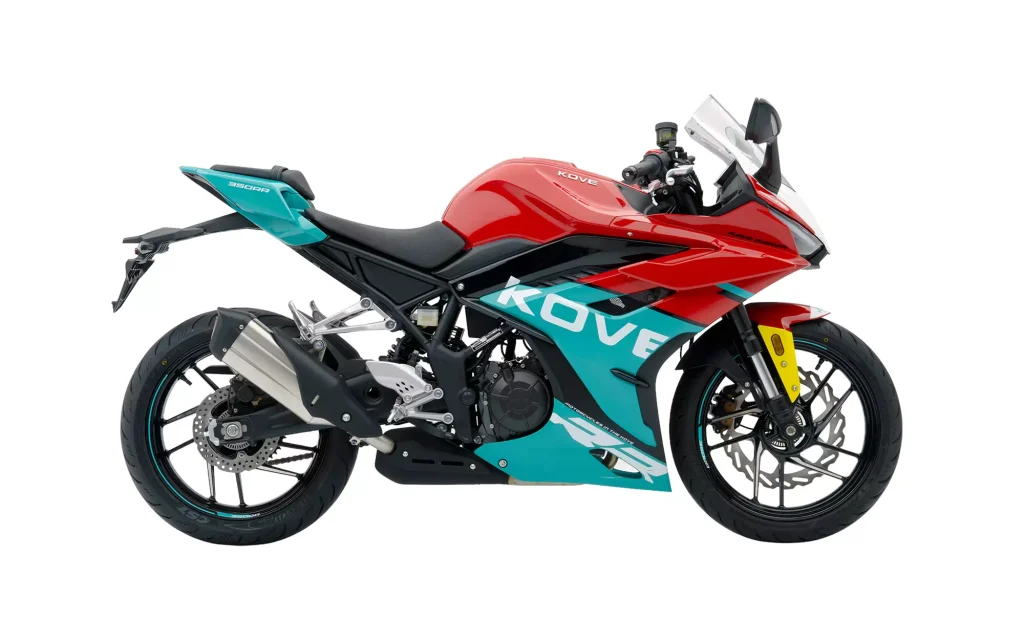
The KOVE 350RR uses an engine and frame platform derived from our WSBK SSP300 championship-winning race bike. It lists a 344cc liquid-cooled inline-twin engine, 35 kW at 11,500 rpm, 32.2 N·m at 9,000 rpm, and a 164 kg curb weight. The same page highlights forged internal components and an all-aluminum plated cylinder body designed to reduce weight and support heat dissipation. These are the kinds of engineering decisions that become especially important when we develop a lightweight sport platform.
Which Engineering Factors Matter Most When Comparing Kove Platforms?
When you compare motorcycle platforms, the most useful question is not which model sounds the most exciting. It is which engineering choices best match your terrain, riding pace, and expectations for ownership and service.
Weight target versus intended use
We start with the intended riding application when setting a motorcycle’s weight target. A 221 kg adventure motorcycle can make sense when stability, fuel capacity, and luggage capability are priorities, while a 120 kg enduro motorcycle benefits from a much lower mass when the rider needs to repeatedly maneuver or recover the bike in technical terrain.
Our current model range reflects this difference clearly, from the 625X at 221 kg to the 450 Enduro RE at 120 kg curb weight.
Structural layout versus service practicality
We also consider how the motorcycle is structured and packaged. Frame type, subframe design, and component layout can affect durability, service access, weight distribution, and the motorcycle’s ability to withstand demanding use.
The 625X uses an integrated frame with an aluminum swingarm, while the 800X Rally uses a split aluminum alloy subframe. These differences are intentional: the structural solution needs to support the specific requirements of each platform.
Competition learning versus everyday usability
Race-derived engineering is valuable when it can be translated into useful performance for everyday riders. The 350RR’s WSBK-derived platform, for example, supports its focus on sharp road handling and track-oriented performance.
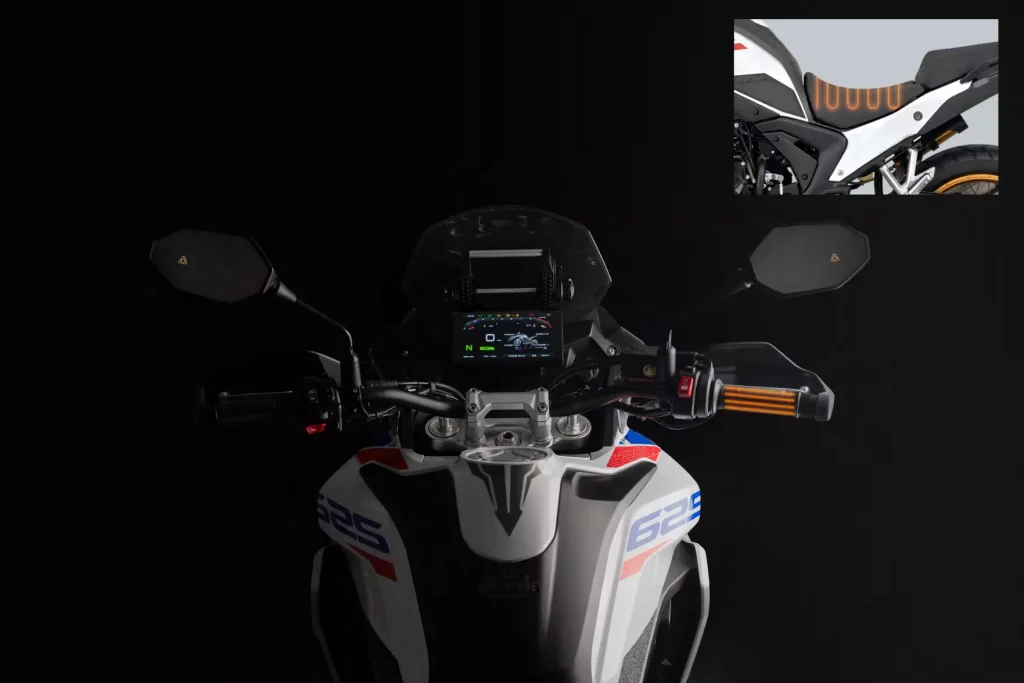
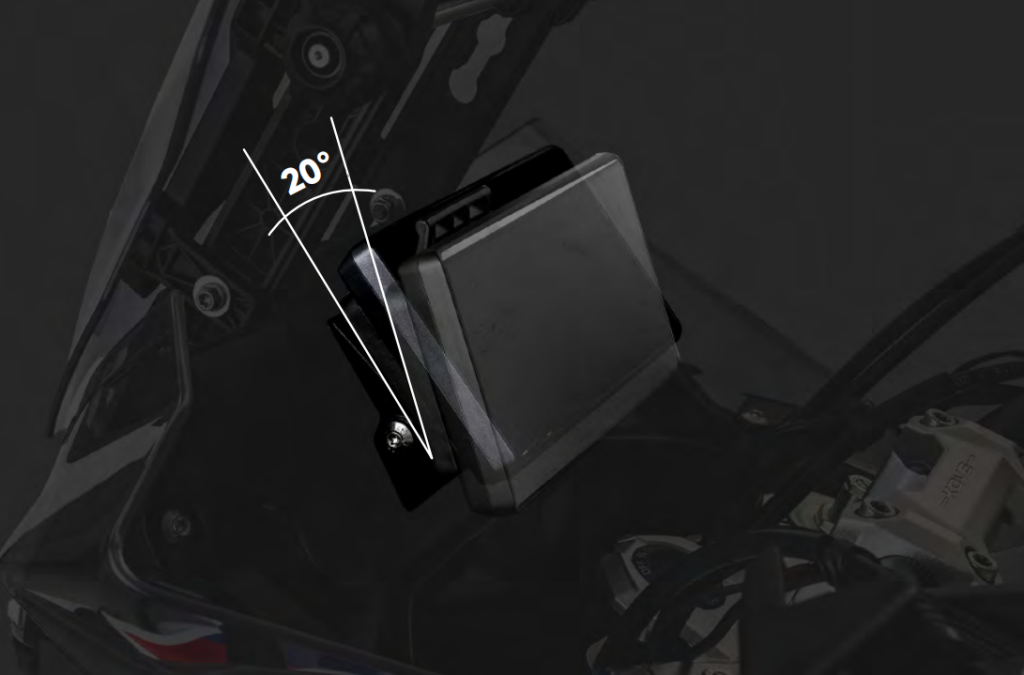
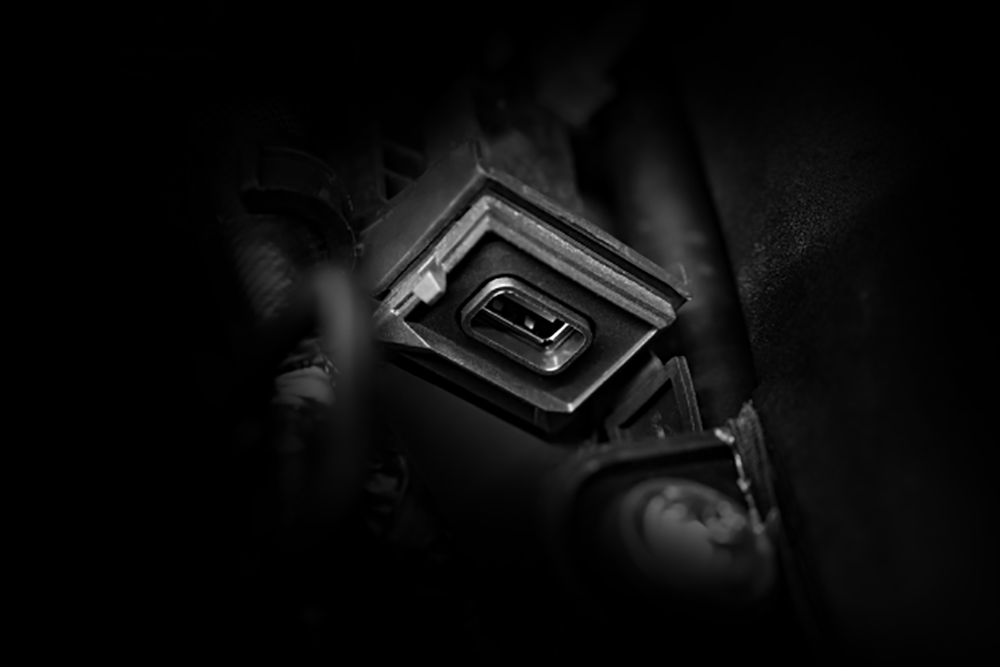
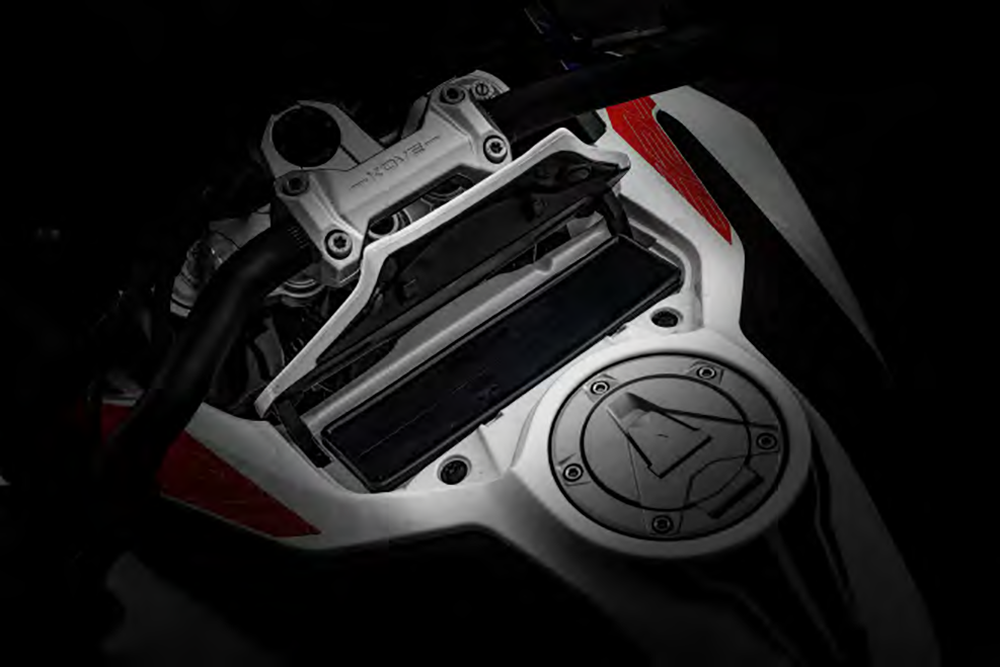
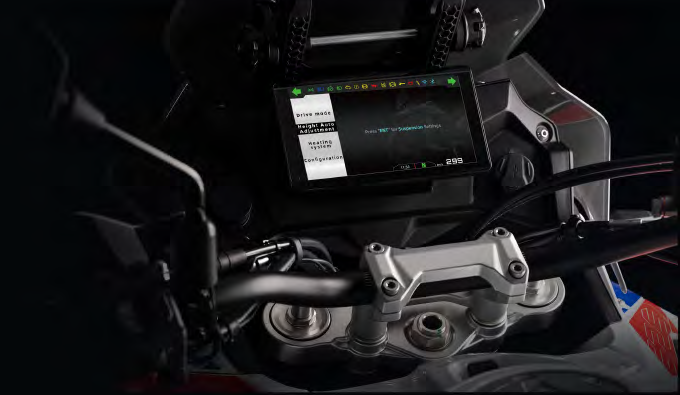
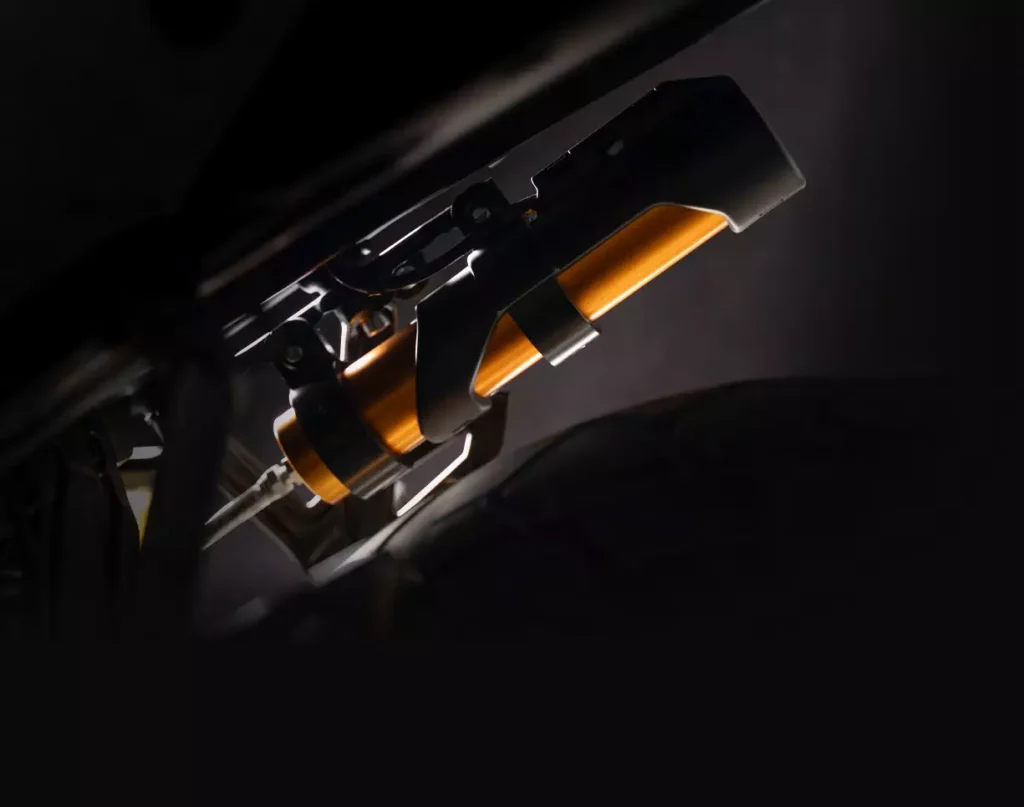
The 625X prioritizes travel comfort with heated grips, a heated rider’s seat, and an adjustable windscreen, while the 625X MAX adds electronic rear suspension with adjustable ride height. For us, competition experience is not about making every motorcycle a race bike; it is about applying the right engineering lessons to the right platform.
Factory integration versus development speed
In-house development and manufacturing can shorten the path from testing and evaluation to engineering changes. We keep product development and manufacturing under our control, from core components to final assembly.
This level of integration helps us respond to test results more efficiently and maintain closer control over how engineering decisions are carried through to production.
Platform Design Trade-Offs By Riding Scenario
The right platform usually becomes obvious once you describe your riding honestly. Scenario thinking is more useful than chasing one ideal specification.
Long-distance adventure use
For long-distance travel, we prioritize stability, range, weather protection, and rider comfort.
When assessing a motorcycle for this type of riding, we consider:
- fuel capacity for the intended travel distance
- wind protection that helps reduce rider fatigue
- the seat and footpeg relationship for both seated and standing riding
- stability and composure when luggage is fitted
The 625X fits this scenario because its tank size, chassis characteristics, and comfort-oriented features support broad-use touring rather than a narrowly specialized rally brief.
Technical off-road and dual-sport riding
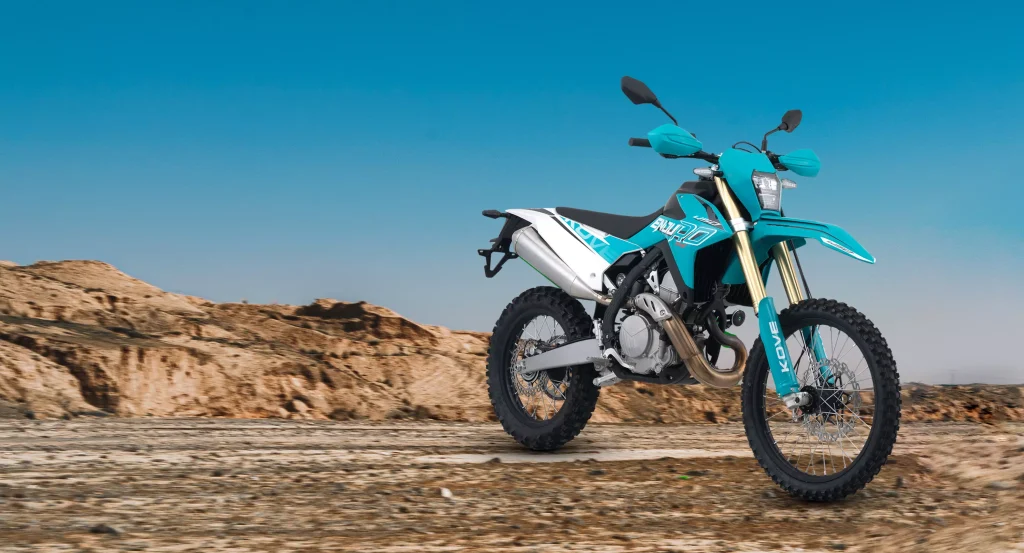
For harsher terrain, lower mass can become more important than broad touring comfort. The KOVE 450 Enduro RE lists a 120 kg curb weight, 285 mm of ground clearance, a 960 mm seat height, and a 9.5 L fuel tank. These specifications support its focus on technical terrain and road-connected enduro riding.
That is a very different engineering brief from a middleweight adventure motorcycle, even though both types of motorcycle can be ridden beyond paved roads. The difference comes from what we expect the rider to encounter and how much physical control the platform needs to provide.
Fast road and track-oriented use
For fast road riding or occasional track use, compact packaging, responsive handling, and thermal stability become more important than luggage capacity or long-distance touring features.
The 350RR’s low curb weight, twin-cylinder output, and race-linked platform background make it a more natural fit for this type of riding than an adventure or rally-based motorcycle. A lighter sportbike also places less physical demand on the rider during braking transitions and direction changes, which is why weight management takes on a different meaning in this category.
The Main Takeaway From Motorcycle Platform Design
The best way to understand motorcycle platform design is to see weight as a controlled engineering decision, not simply a number to promote. Our current model range shows why: the 625X balances travel stability and everyday adventure capability, the 800X Rally combines larger-bike performance with a strong focus on off-road control, the 350RR emphasizes lightweight sport performance, and the 450 Enduro RE minimizes unnecessary mass for technical terrain.
There is no single platform that can be optimized for every type of riding. Our goal is to match the architecture, weight, geometry, and equipment to the job the motorcycle is expected to do. When you compare motorcycles from that perspective, the differences in their design become much easier to understand—and much easier to choose between.