
How to Evaluate a New Motorcycle Manufacturer: A Practical Guide for Riders
SOURCE: KOVE
A new motorcycle can look impressive on the showroom floor. But when you are considering a less-established brand, the more useful questions are usually behind the styling: Who developed the motorcycle? How was it tested? How closely are engineering and manufacturing connected? And what happens after the bike is sold?
These questions matter even more for riders looking at adventure, rally, dual-sport, and performance-oriented motorcycles, where the bike may face very different conditions from everyday road use.
A practical way to evaluate a manufacturer is to look for consistent evidence across several areas rather than relying on one claim. Product development, testing, racing, manufacturing, model strategy, and after-sales support can each tell you something different.
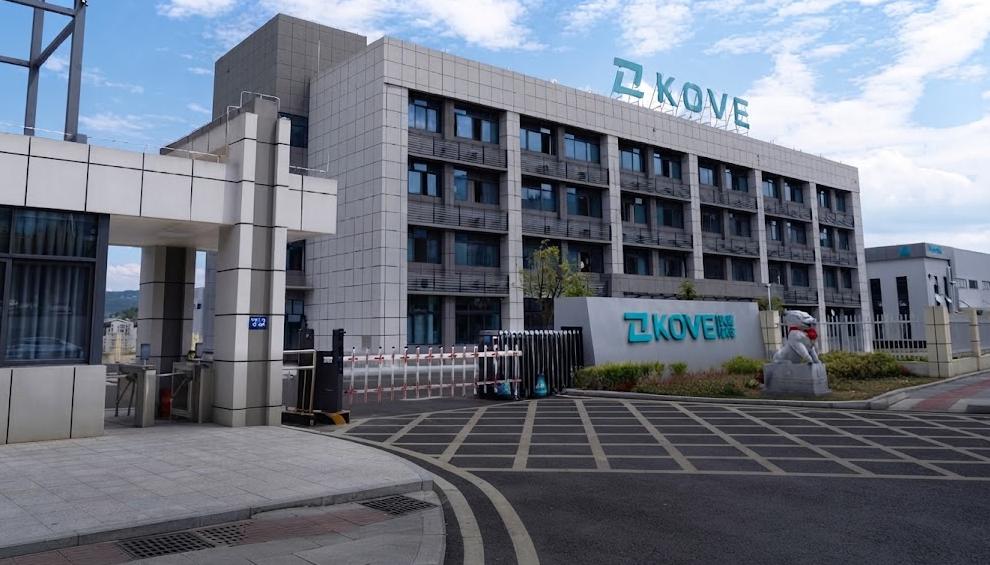
While emerging manufacturers like KOVE demonstrate how brands can publish transparent details across these areas—including model lineups, factory updates, and racing programs—the same objective approach should be used to evaluate any motorcycle manufacturer.
The factors below are a practical checklist for understanding how much technical and operational information a motorcycle brand is willing and able to provide.
What Should You Look for When Evaluating a Motorcycle Manufacturer?
There is rarely one piece of information that tells you everything about a manufacturer. A better approach is to look for several pieces of evidence that support each other.
For example, a company may talk about in-house development, but buyers can learn more by checking whether the manufacturer also provides information about testing, manufacturing, model development, racing, and after-sales service.
The goal is not to assume that a manufacturer is technically strong because of one marketing claim. It is to see whether the available information forms a consistent picture.
Factor 1: Look at Who Controls Core Development
One of the first things to check is how much of the motorcycle’s core development and manufacturing is controlled by the manufacturer itself.
This does not mean every component has to be produced in-house. Modern motorcycles use components and systems from many specialist suppliers. What matters is whether the manufacturer has direct control over key engineering decisions, vehicle development, testing, and final production.
- In-House Control: Many newer manufacturers (such as KOVE, which highlights its in-house engine and frame assembly) emphasize direct oversight of core components.
- Key Questions to Ask: Who develops the engine and chassis? Who carries out vehicle testing? Who controls final assembly? Can the company provide enough technical documentation to support those claims?
Factor 2: Look for a Clear Link Between Racing and Production
A manufacturer’s racing activity is more useful to buyers when the company can explain how competition experience connects with motorcycle development.
Racing does not automatically prove that a production motorcycle will be reliable or suitable for every rider. However, it can provide a demanding environment for testing performance, handling, durability, and rider control, especially in rally and off-road competition.
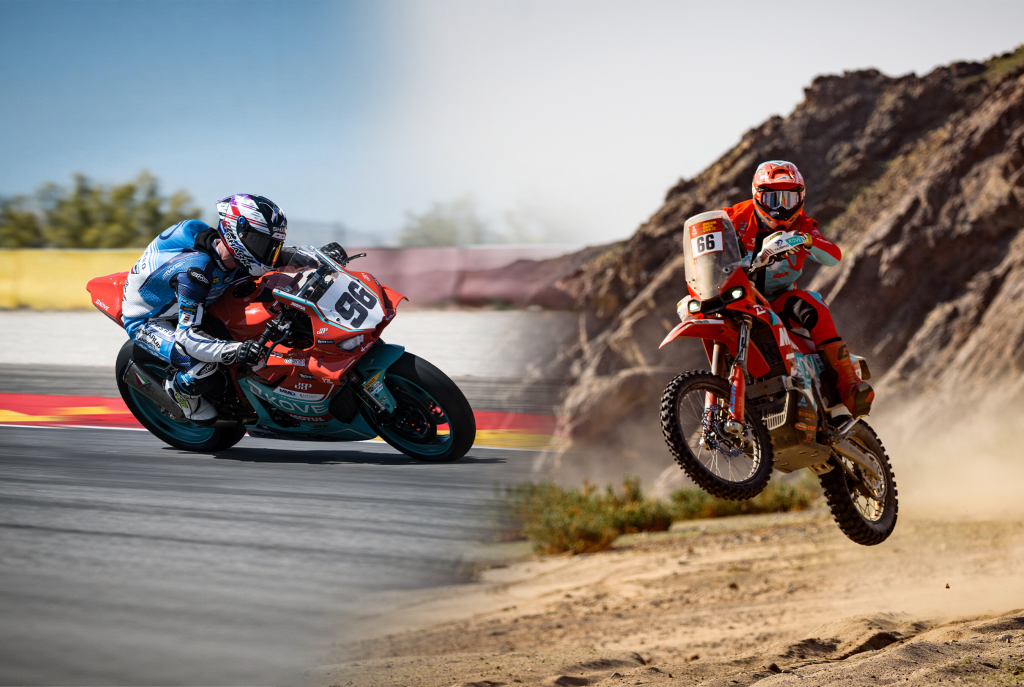
- Real-World Application: For instance, brands competing in grueling events like the China Dahaidao International Motorcycle Rally (where machines like the KOVE 450 RALLY EX have secured stage wins) often use telemetry and failure data to iterate on subsequent consumer iterations.
- Key Questions to Ask: Does the brand treat racing as a marketing gimmick, or is there a clear pipeline connecting competition findings, engineering revisions, and production updates?
Factor 3: Look at How the Model Range Is Organized
A large model range does not automatically tell you how strong a manufacturer’s engineering capabilities are. It is more useful to look at whether the range has a clear structure and whether each model has a defined purpose.
- Platform Specialization: Well-structured lineups typically segment machines into distinct categories—such as ADV, Rally, Sport, Naked, Off-road, and Cruiser—acknowledging that suspension geometry, ergonomics, and weight distribution must vary drastically by intended use.
- Key Questions to Ask: Does the company clearly explain what each platform is designed to achieve? Do the technical specifications match that intended use?
Factor 4: Look for Evidence of Testing and Iteration
A motorcycle is not finished when the first prototype runs. Development normally involves repeated testing, adjustments, and validation before a production model is released.
- Factory Transparency: Look for manufacturers that share factory updates regarding how product development, vehicle testing, and production operations interact under one roof. When test findings and engineering feedback are evaluated closely across multidisciplinary teams, the resulting product is typically more refined.
- Key Questions to Ask: Is there documentation of prototype testing, road/off-road validation, and durability milestones?
How to Evaluate a Motorcycle Manufacturer in Practice
You do not need access to a factory or an engineering department to start evaluating a manufacturer. Public information can tell you quite a lot if you compare different parts of the company’s ecosystem instead of reading only the promotional brochures.
1. Start With the Engineering Story
Check whether the brand’s high-level claims match its technical documentation. Look into who handles product development, what they say about manufacturing capabilities, and whether service manuals, parts catalogs, and warranty terms are readily accessible. Consistency across these channels is the ultimate indicator of brand maturity.
2. Match the Evidence to Your Riding Style
- For Adventure Riders: Prioritize long-distance comfort, luggage capacity, service support, highway stability, and unpaved-road balance.
- For Rally and Off-Road Riders: Focus closely on suspension travel, ground clearance, dry weight, wheel sizing, and the brand’s off-road racing validation.
- For Road-Focused Riders: Concentrate on engine output, braking componentry, chassis setup, electronic rider aids, and local dealership support.
3. Review Regulatory Compliance and Support Materials
A manufacturer’s support pages can reveal practical realities that launch campaigns gloss over. Look for maintenance schedules, owner’s manuals, and warranty policies. For riders in regions like Europe, always verify that the exact model variant holds proper regional type-approval (such as EU vehicle type approval) for safety and environmental performance.
The 7 Factors at a Glance
- Core engineering control: Check who controls powertrain, chassis, testing, and final assembly.
- Racing and development: Look for a clear bridge between competition data and production updates.
- Structured model range: Ensure motorcycles have clearly defined, specialized roles.
- Testing and iteration: Look for evidence of how test feedback drives engineering revisions.
- Manufacturing capability: Assess how production facilities integrate quality control and development teams.
- Ownership support: Verify the availability of manuals, warranties, maintenance schedules, and parts networks.
- Consistency of information: Cross-reference model pages, press releases, factory updates, and technical manuals for a coherent brand profile.
Looking Beyond the Marketing Hype
Technical credibility is difficult to judge from a single specification, award, race result, or marketing statement. When you are considering a less-established brand, the safest approach is to look at the full picture: who controls development, how motorcycles are tested, whether racing feeds into product development, how the model range is organized, and what information is available after the sale.
By utilizing a consistent evaluation framework across these areas, you give yourself a much more reliable basis for comparison than relying on styling, brand age, or headline numbers alone.