
Single-Cylinder vs. Twin-Cylinder Adventure Bikes: How to Choose
SOURCE: KOVE
Whenever it comes to choosing an adventure bike, it usually boils down to one seemingly simple question that’s not so simple to answer: single-cylinder or twin-cylinder? The engine layout pretty much determines how a bike feels and handles and how well it suits the terrain you actually ride. This decision is more important than most people realize on those lengthy miles of highway, tricky mountain tracks or desert stages.
Single and twin cylinder adventure bikes feel different in real use. This guide breaks down where each setup works best. You can then pick the engine layout that matches how you ride.
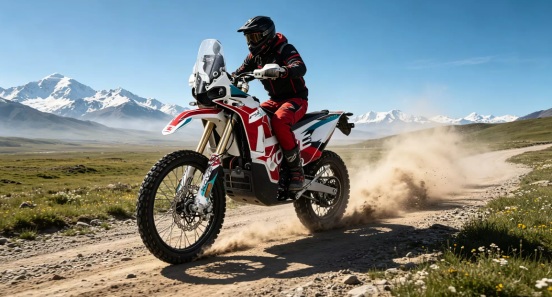
Single-Cylinder vs. Twin-Cylinder: What’s the Difference?
Before you decide what is “better” for adventure riding, it helps to understand what each engine type does on the road and on the dirt.
- Engine character and power delivery: A single-cylinder tends to hit in clear bursts. Riders often notice the response right away. A twin-cylinder motor usually feels even and steady. It can also hold a consistent pull when you keep up speed on open roads. This shows up a lot on bigger adventure bikes.
- Weight and packaging: A single-cylinder layout has fewer parts. That can make the bike feel lighter and more compact. Twin-cylinder engines mean more parts and complexity, although the ultimate weight relies a lot on the overall design and equipment of the bike.
- Vibration and refinement: Twins are usually more comfortable to ride for long durations. Singles can produce more vibration at sustained highway speeds, though modern counterbalancer systems have improved this considerably.
- Low-speed and technical riding: Singles often give more trust in tricky low speed areas. They are often lighter, and that makes turning easier when the trail gets rough. In tight switchbacks or rocky sections, it can feel more natural to choose a line and move through it.
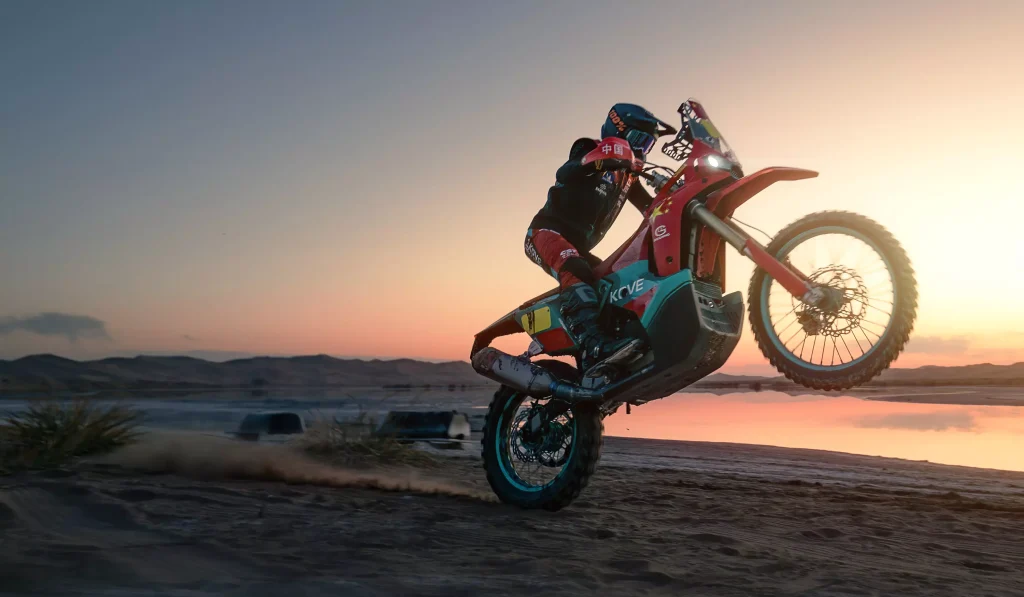
Where Single-Cylinder Bikes Work Best
Single-cylinder bikes shine when the ride gets hard and the pace drops. In tight, rough areas, a lighter bike helps you choose your path sooner. You can respond faster when something goes wrong and get back on track quicker. On rocky trails, loose switchbacks, or rough desert routes where you spend a lot of time moving slowly and scanning the ground, that advantage matters.
Rally and off-road focused riding is another area where singles tend to pull ahead. Their relatively direct power delivery can give riders a clear sense of what the rear wheel is doing, which can be useful when the surface is uncertain. Normal engine maintenance can also be easier, which helps riders who need to do normal work on the road or between stages.
Singles can handle highway miles too. They’re not the best for long periods of high-speed cruising, but if you’re a rider who spends most of your time off-road, using the road mostly as a connection between trails, that’s a fair trade-off.
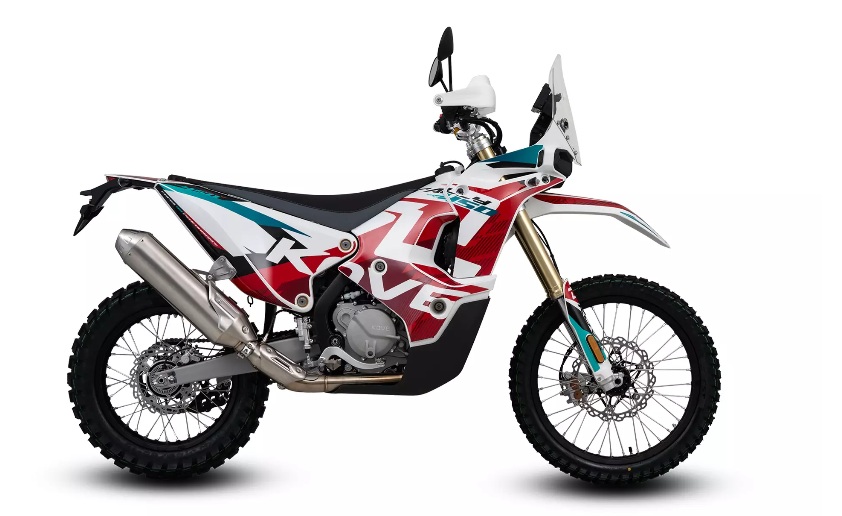
Motorcycles such as the KOVE 450 Rally RE and the more race-focused 450 Rally EX show this idea clearly. They both use a single-cylinder motor and they both run 21/18 wheels. Still, they do not feel the same. The RE comes in at 155 kg, while the EX is 128 kg.
When Does a Twin-Cylinder Adventure Bike Make More Sense?
If your rides mostly happen on paved roads, a twin-cylinder setup can fit you better. More engine displacement and smoother power delivery can make long highway stints feel less draining. You also get a wider usable torque band, which matches the steady pace many road-first adventure riders keep.
If you’re traveling hours of expressway with the occasional gravel diversion, carrying luggage for a multi-week vacation, or just like a more relaxing highway cruise, a twin-cylinder adventure bike would definitely fit you better. But the trade-off is that those extra kilos become much more noticeable once you leave the pavement.
Below is a simple look at how each engine layout usually feels during everyday adventure riding:
| Riding Factor | Single-Cylinder | Twin-Cylinder |
| Technical off-road | Often easier to manage | Can feel more demanding |
| Motorcycle weight | Usually lighter | Usually heavier |
| Highway cruising | Adequate to good | Generally better suited |
| Long-distance touring | Good, depending on model | Generally better suited |
| Power delivery | Direct, focused | Smoother, broader |
| Mixed road/off-road | Strong choice for lighter builds | Strong choice for road-biased setups |
| Rally-focused riding | Often a strong fit | Depends heavily on model |
Which One Is Right for Your Riding?
The honest answer is based on what most of your riding actually looks like, not what you think it may look like.
| Your Typical Ride | Better Starting Point |
| Mostly technical off-road | Single-cylinder |
| Rally / desert-focused riding | Single-cylinder |
| Long highway + gravel trips | Twin-cylinder |
| Road touring with occasional trails | Twin-cylinder |
| Balanced road/off-road use | Compare weight and chassis first |
To simplify: largely dirt points to a single-cylinder; largely road with occasional dirt leans toward a twin; if your riding is truly split down the middle, consider total weight, chassis geometry and wheel size before allowing the cylinder count to dictate the decision for you.
Now the number of cylinders is only part of the equation. Weight, suspension travel, wheel size and ergonomics all have a big impact on how a bike performs on the terrain that you ride most. A 200 kilogram twin with a 19-inch front wheel and a 155 kg single with a 21-inch front will be rather different, even if they both carry the same “adventure bike” tag.
If you’re looking for a lighter, more capable off-road machine with true rally DNA, then the KOVE 450 Rally RE and 450 Rally EX are well worth a closer look. Explore the full KOVE lineup to find the build that matches where you actually ride.