
Choosing an Emerging Performance Motorcycle Brand: 7 Key Factors to Consider
SOURCE: KOVE
Performance motorcycling used to be about choosing from a few long-standing manufacturers. It’s not the case anymore. New brands are coming out with adventure, rally, and sportbike models that are backed by actual racing programs, giving riders more options than ever before. However, more choices create a real challenge: how can buyers tell a credible manufacturer apart from a superficial startup project? It turns out the same seven checks experienced buyers already use on legacy brands work just as well here — and they reveal a lot once you know where to look.
Why Emerging Motorcycle Brands Are Reshaping the Performance Segment
Manufacturing capability that once belonged only to a few large companies is now more widely accessible, and that has lowered the barrier for new manufacturers to enter demanding categories like rally-raid and sportbike racing rather than just commuter bikes. That shift makes the brand’s age less important than how it behaves once it enters the market — whether it invests in engineering, shows up at real competitions, and builds the infrastructure to support the bikes it sells. The seven factors below give you a practical way to check for exactly that.
7 Key Factors When Evaluating an Emerging Performance Motorcycle Brand
1. Company Background and Manufacturing Ownership
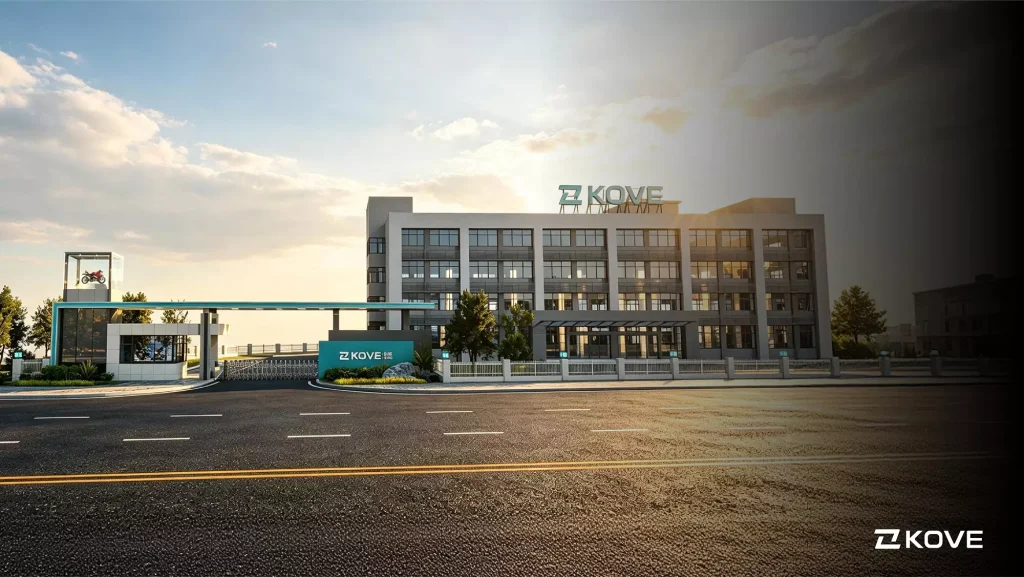
Start with the basics: is there a clearly identifiable company behind the brand, and does it own its manufacturing, or is it simply rebadging bikes built by someone else? KOVE was founded in 2017 and states that its core motorcycle development and manufacturing — from engines and frames to final assembly — remain under its own control. That kind of in-house ownership is a reasonable proxy for whether a company can keep improving its products over time.
2. Racing Pedigree and Real-World Performance Validation
Technical specifications can indicate a motorcycle’s intended performance, but competition provides another form of real-world validation. Professional racing exposes motorcycles and their components to demanding conditions involving durability, handling, power delivery, and rider feedback.
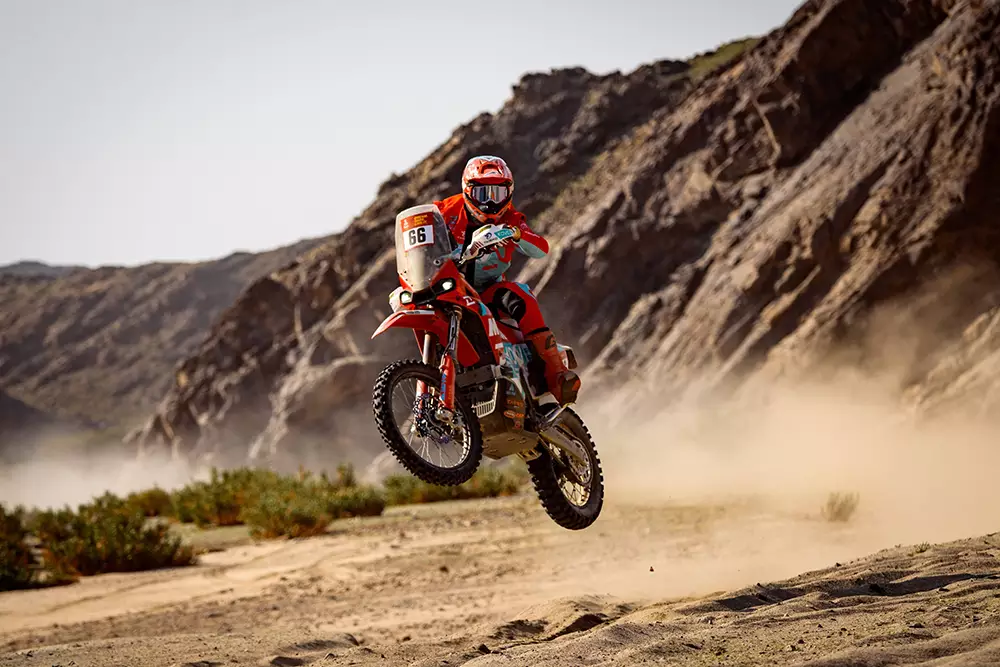
KOVE entered the Dakar Rally in 2023 with three factory-entry motorcycles, all of which completed the event. Its participation subsequently expanded, with two factory riders and seven privateer riders competing on KOVE motorcycles in the 2026 edition, including Dakar veteran Milan Engel and former Isle of Man TT winner James Hillier.
KOVE has also competed in road racing. Team 109 won the 2025 WorldSSP300 riders’ championship with Beñat Fernández, following KOVE’s first WorldSSP300 race victory at Jerez in 2024.
Competition results should ideally be checked against independent sources, such as official race organizers and championship records, rather than relying solely on information published by a manufacturer. This provides a more objective way to assess a motorcycle brand’s racing involvement and performance record.
3. In-House Engineering vs. Third-Party Assembly
Beyond the paper-based proof of ownership, consider whether a brand develops its own chassis and engines or licenses a platform from another manufacturer. Companies that engineer their own products can iterate faster, resolve issues at their root, and differentiate their bikes over time. It’s also what lets race-developed components — new frame geometry, updated engine tuning — filter down into production models instead of staying locked in a one-off race bike.
4. Breadth and Focus of the Model Lineup
A single flashy model can be a marketing exercise; a full lineup usually reflects a longer-term product strategy. Check whether the brand covers multiple segments in a coherent way — adventure, rally, sportbike, naked, and off-road, for instance — rather than chasing one trend. KOVE’s current range spans all of these categories, from the 800X adventure-touring platform to smaller-displacement rally and sport models, demonstrating a long-term product strategy across clearly defined riding applications rather than reliance on a single headline model..
5. Dealer Network and After-Sales Infrastructure
This is where many new brands struggle, and where buyers should be most careful. A bike is only as useful as the nearest place that can service it. Look for a public, searchable dealer or distributor locator, and check how many countries or regions are actually covered — not just listed in a press release. If a brand can’t show you a real service network, treat that as a genuine limitation rather than a minor detail.
6. Parts Availability and Warranty Terms
Before purchasing, ask two specific questions: How long do replacement parts typically take to arrive? What exactly does the warranty cover? Terms vary by country and dealer; it is therefore advisable to confirm directly with an authorized dealer in your area instead of assuming a policy announced globally applies the same way everywhere. Any brand that addresses these questions in clear written form is demonstrating confidence in its supply chain.
7. Price-to-Performance Value and Total Cost of Ownership
Finally, look past the sticker price. Factor in service intervals, the street price of common wear parts, and how the bike is likely to hold its value against established competitors in the same category. Emerging brands often compete hardest on this exact point, offering comparable displacement and output at a lower entry cost — but that value only holds up if the first six factors check out too.
Putting It Together
None of these seven factors is meant to be decisive on its own. A brand with an excellent race program but no dealer network is still a risky purchase; one with wide distribution but no engineering track record raises different questions. The strongest candidates tend to show up well across most or all seven — a documented company history, a real competition record, in-house engineering, a coherent model range, and a service network that actually backs it up. Measured against this checklist, KOVE is a useful case study because its results in public racing, factory ownership, and growing dealer presence can be independently verified rather than self-reported.
FAQs
Is it safe to buy a motorcycle from a newer or emerging brand?
It can be, provided the brand can demonstrate real manufacturing ownership, competition results, and a working parts and service network — the same fundamentals buyers already expect from established manufacturers.
What should I look for before buying from a lesser-known motorcycle manufacturer?
Verify who manufactures the motorcycle, seek credible third‑party or real‑world rider testing, and locate a local authorized dealer before purchasing — so parts support and warranty service do not become an unknown risk down the line.
Does KOVE have international dealer support?
KOVE lists distributors and dealers across multiple regions on its official website; availability varies by country, so it’s recommended that you verify local network coverage before purchasing.
“Emerging” doesn’t have to mean “unproven.” The brands worth taking seriously are the ones willing to be checked — against race results, engineering claims, and real service networks — rather than brands asking to be taken on faith. Run any new performance motorcycle brand through these seven factors, and you’ll have a clear, evidence-based answer instead of a guess.